Using WIIFM to Design Impactful Microlearning
When you’re deciding whether to take a training, you’re not just looking for information, you’re looking for value. Maybe it’s gaining a skill that makes your job easier, feeling more confident in what you do, or opening the door to new opportunities. If that payoff isn’t clear right away, it’s easy to tune out.
Read More
How Designing Events with Neurodivergent Attendees in Mind Benefits Everyone
Our company president, Polly Rossi-Geiger, recently said, “For decades, we’ve optimized agendas for efficiency. The next era of event strategy will optimize them for human performance.”
She’s exactly right.
When we design events to meet the diverse needs of attendees, we can greatly improve the meeting experience for everyone. Common challenges for neurodivergent event and conference attendees are often overlooked, and addressing them improves the experience for everyone.
Read More
Microlearning: Why the Brain Loves Bites
Have you ever felt hungry, but can’t deal with the thought of making a meal? A snack works as a low-effort way to immediately satisfy your needs. No planning or prep - just a quick solution.
The brain works the same way! It prefers information that feels both management and immediately useful.
Read More
Making Mandatory Training Less Painful: Designing Compliance Learning People Don’t Dread
But mandatory learning does not have to be painful. With the right design strategy, organizations can turn required training into one of the most valuable and culturally meaningful learning experiences an employee has all year.
Read More
Microlearning Meets AI: Delivering Just-in-Time Training with Intelligence
In a world where employees need answers in seconds, not sessions, microlearning has become a powerful tool for modern instructional design.
Read More
Stop Checking the Box: Transform Learning Outcomes Into Real-World Performance
We believe that meaningful outcomes are the foundation of courses that matter. Here’s how to sharpen your outcomes, avoid common pitfalls, and measure what truly signals success.
Read More
Respecting Your Learner: Designing Courses That Value Expertise
Great instructional design starts with one guiding principle: treat learners like the intelligent, experienced professionals they are.
Read More
6 Common Mistakes That Kill Learner Engagement (and How to Fix Them)
Have you ever poured energy into a course only to watch learners disengage halfway through? Creating engaging learning experiences isn’t just about great content, it’s about designing with the learner in mind.
Read More
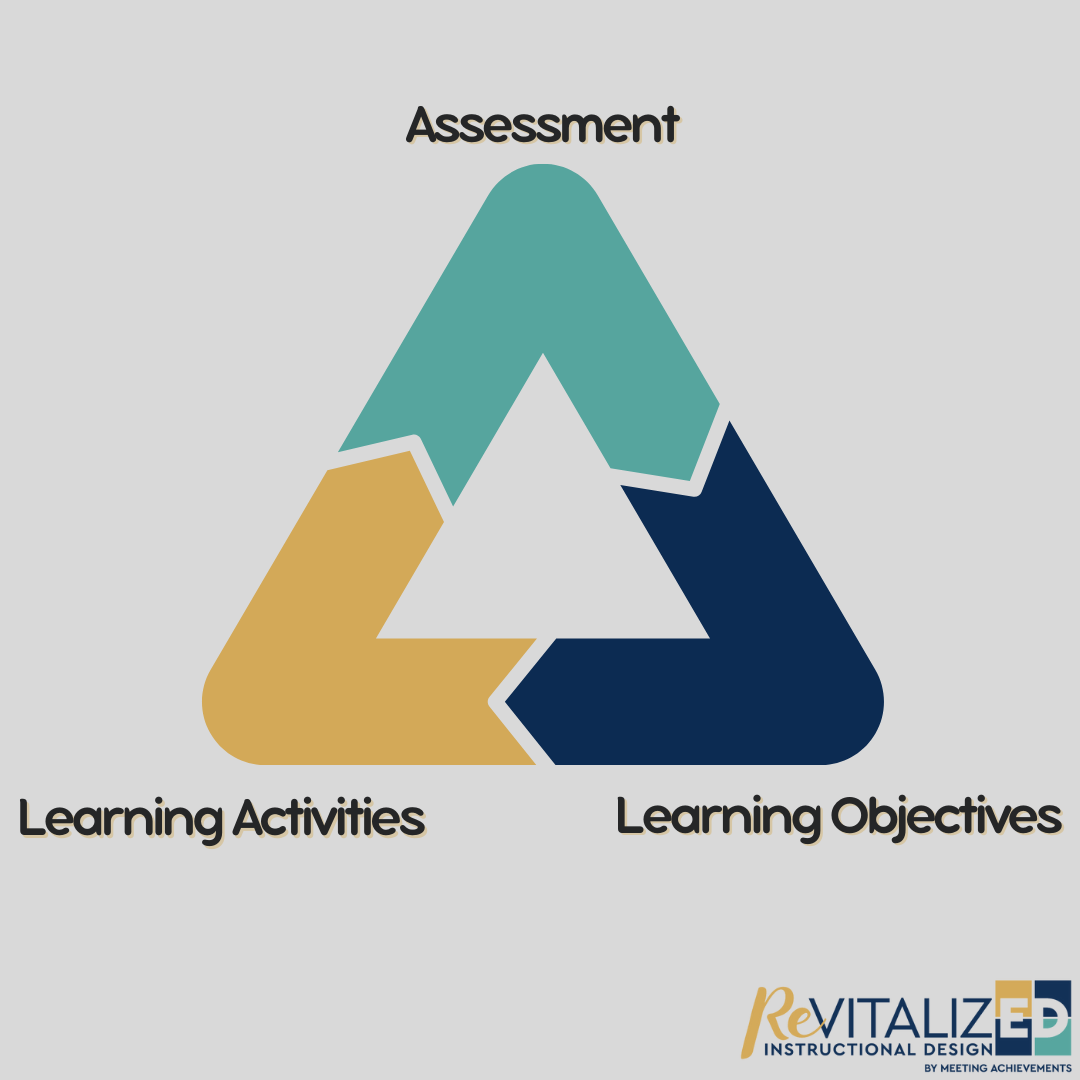
Demystifying the Magic Triangle of Learning: How Instructional Designers Create Impactful Experiences
In a nutshell, the Magic Triangle of Learning combines three key components: learning objectives, learning activities, and assessment.
Read More
Compliance Isn’t a Learning Objective: Why So Many Required Trainings Fail
The problem? Treating compliance like the objective instead of the baseline.
Read More
eLearning That Works: Dos, Don’ts, and What Learners Actually Want
Online training modules are everywhere—and for good reason. They let learners engage with content at their own pace, from wherever they are. But let’s be honest: more courses doesn’t mean better learning.
Read More