
Microlearning: Why the Brain Loves Bites
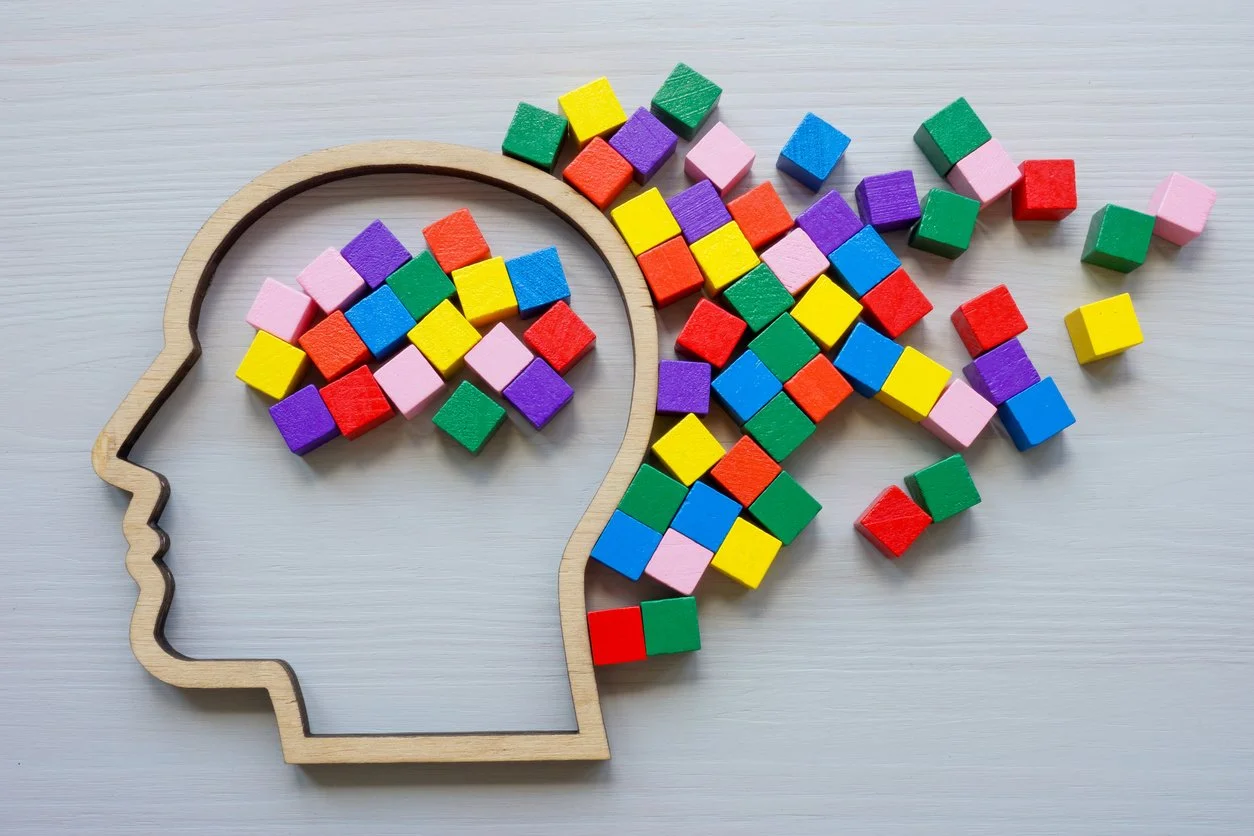
Have you ever felt hungry, but can’t deal with the thought of making a meal? A snack works as a low-effort way to immediately satisfy your needs. No planning or prep - just a quick solution.
The brain works the same way! It prefers information that feels both management and immediately useful.
Brain Facts:
Our attention spans are getting shorter, so microlearning modules can feel easier for learners to engage with and complete.
Breaking lessons into smaller learning modules can increase knowledge retention by 17 percent, according to the Journal of Applied Psychology.
Long-term retention has been increased by as much as 80 percent when microlearning modules are used.
How can bite-sized learning drive change?
For microlearning to drive behavior change, it needs structure. That means, as instructional designers, we need to:
Tie each piece to a clear, specific behavior
Focus on one concept at a time (to manage cognitive load)
Build in repetition and spaced reinforcement that support scaffolding
Include opportunities for engagement and active learning to support behavior change (quizzes, scenarios, real-life tasks)
Connect learning directly to real on the job tasks
Research shows that when microlearning includes reinforcement and real-world application, it leads to measurable improvements in performance and skill transfer. It also helps flatten the forgetting curve by reinforcing information over time, rather than letting it fade after one exposure. But again, structure matters; if microlearning is random or disconnected, retention drops.
It also helps to think beyond the content itself; nudges, reminders, and on-the-job prompts significantly improve retention and completion rates.
How can we maximize microlearning impact?
A single bite-sized module isn’t enough. The real value in microlearning comes from repetition and reinforcement over time. This learning transfer support content reinforcement for changed behavior.
Microlearning success is also tied to retrieval practice; bringing information back up multiple times strengthens memory much more than just re-exposing someone to it. This is why, at ReVITALIZED Instructional Design, we build supporting learning transfer content like videos to use after a training session. This brings the knowledge back up to create that muscle memory or practice-based learning.
So it’s less about “one quick video” and more about a series of intentional touchpoints that build on each other.
What should I avoid when creating learning bites?
Microlearning for the sake of microlearning won’t make a brain happy.
When bite-sized modules feel fragmented, overwhelming, or pointless, they can increase cognitive load instead of reducing it. Research shows that irrelevant or poorly organized information negatively impacts learning effectiveness.
The brain also struggles with constant context switching. Some studies suggest that rapid switching between short pieces of content can hurt memory and task performance if it’s not intentionally designed.
Microlearning, when intentional, can align with how brains want to process information and create valuable (even enjoyable) learning experiences.
The brain is picky. If it doesn’t see the value, it’s checking out fast.
Explore more about microlearning on our blog, or contact our team to design learning experiences that meet your needs!